
Heritage
Month
Ghana's Independence
Before The Fireworks, There Was Silence
Heritage Month Ghana is not about the 6th of March, it is about the silence before it.
The waiting, the fear, the hope, the cost.
Before the flags were raised, there were whispers. Before the anthem was sung, there were prisons, protests, sacrifices, and silent perseverance. Independence did not arrive with celebration first — it arrived with courage.
Observed annually in March, Heritage Month Ghana is a month-long national reflection on independence not only as a historic achievement, but as a responsibility still unfolding. It is a time to sit with our pride, confront our grief, and recommit ourselves to the ideals that built the nation.
When Courage Chose the People
Ghana’s history is marked by a pivotal moment when leadership involved unwavering commitment to the people’s welfare. Amidst rising dissent against colonial rule, courageous voices emerged, ultimately leading to Ghana’s independence in 1957, making it the first sub-Saharan African nation to achieve this milestone.
Following his departure from the United Gold Coast Convention (UGCC) in June 1949, Kwame Nkrumah established the Convention People’s Party (CPP) to lead the independence movement. His team included radical nationalists, youth leaders, trade unionists, and market women, all united under the rallying cry “Self-Government Now.”
Heritage Month celebrates this legacy of bravery—from leaders to ordinary citizens—highlighting the unity that enabled freedom and the belief in self-determination. This pride serves not as mere nostalgia but as a cornerstone of Ghana’s national identity.
When Memory Begins To Fade
Pride is just part of Ghana’s narrative. At Christiansborg Crossroads in Accra, three unarmed men—Adjetey, Corporal Attipoe, and Odartey Lamptey—stepped forward not with weapons, but with a belief in peaceful dialogue. They were veterans returning home to unfulfilled promises, expecting a conversation, not violence.
However, their call for freedom was met with gunfire, marking a tragic end to the belief that freedom could be demanded respectfully. This incident sparked five days of turmoil, as grief transformed into resistance, igniting rage in the streets. The city’s unrest stemmed not from chaos but from the deep-seated anguish of ignored grievances. Amid this turmoil, six men were taken under the cover of night.
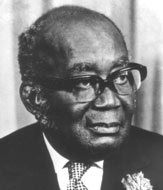
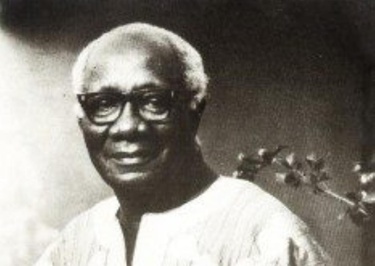
Kwame Nkrumah.
J. B. Danquah.
Edward Akufo-Addo.
Ebenezer Ako-Adjei.
Emmanuel Obetsebi-Lamptey.
William Ofori Atta.
The Emergence of the Big Six
The Big Six, a group of leaders, were arrested and charged with inciting unrest amid a growing freedom movement, suffering for their vocal advocacy. Their detentions did not silence the nation; instead, they intensified the resolve of the Gold Coast. The deaths of the veterans and the imprisonment of these leaders only fuelled the call for change, leading to discussions about constitutional reform and the urgent need for self-rule.
Amid grief, a clearer vision emerged. In 1949, Kwame Nkrumah founded the Convention People’s Party, shifting the focus from gradual reform to an immediate demand for Self-Government Now. This ignited widespread public support, resulting in elections and increasing momentum.
On March 6, 1957, Ghana achieved independence—not as a mere gift, but as a culmination of lost lives, stolen years, and enduring courage.
The Big Six and Ghana’s Path To Independence
The Big Six, a group of leaders, were arrested for allegedly provoking a burgeoning movement for freedom. Their detentions sparked intensified national grief and activism, rather than silencing the people. The deaths of veterans and the imprisonment of these leaders strengthened the resolve of the Gold Coast, prompting calls for constitutional reform and self-rule.
In 1949, the struggle gained momentum when Kwame Nkrumah established the Convention People’s Party, shifting the focus to an immediate demand for Self-Government Now. This ignited public support and led to elections, accelerating the independence movement.
On March 6, 1957, Ghana achieved independence—not as a gift, but as a result of lost lives, stolen years, and enduring courage.
Heritage Month Holds Space For This Grief
Not to reopen wounds, but to remember that freedom was paid for, in blood, in prison cells, and in silence that screamed before it was finally heard. Grief is the silent realization that some sacrifices are no longer sufficiently remembered and that some ideals are more often stated than practiced. Heritage Month gives opportunity for honest reflection on what has been lost, neglected, or weakened since independence.
It asks difficult questions:
Are we acting in a way that honors the struggle?
Are we preserving our languages, traditions, and shared values?
Are we passing on more than dates and slogans to the next generation?
Grief, in this context, is not despair. It is a concern; it is the inability to let go.
Independence Is Not Inherited, It is Practised
Independence was not handed down as a finished gift, it was entrusted as a responsibility.
Heritage Month challenges every generation to understand that freedom must be actively upheld. Through civic engagement, cultural preservation, unity, and ethical leadership, independence becomes something we live, not just remember.
This is why Heritage Month spans an entire month. Nationhood requires time — time to learn, to listen, to question, and to recommit.
Heritage Month Ghana unfolds as a journey, allowing independence to be explored deeply and deliberately:
Week One – Pride: Remembering the courage, leadership, and unity that secured freedom
Week Two – Memory: Reflecting on the sacrifices made and the stories at risk of being forgotten
Week Three – Responsibility: Examining our role in preserving values, culture, and national integrity
Week Four – Renewal: Reimagining independence for the future through youth, innovation, and collective action
A Nationwide Reflection
Heritage Month is observed across all regions of Ghana, with communities interpreting the annual theme through their unique histories, traditions, and voices. From heritage sites and monuments to schools, public spaces, and cultural centres, independence is revisited not as a single narrative but as a shared national experience.
Visitors are encouraged to explore Ghana during this period, engaging with the nation’s story beyond ceremonies through conversations, culture, and community.
Independence Is Not Inherited, It is Practised
1. Ghanaians at home and abroad
2. Members of the African diaspora
3. Young people seeking context and connection
4. Cultural and heritage tourists
5. Educators, researchers, and storytellers